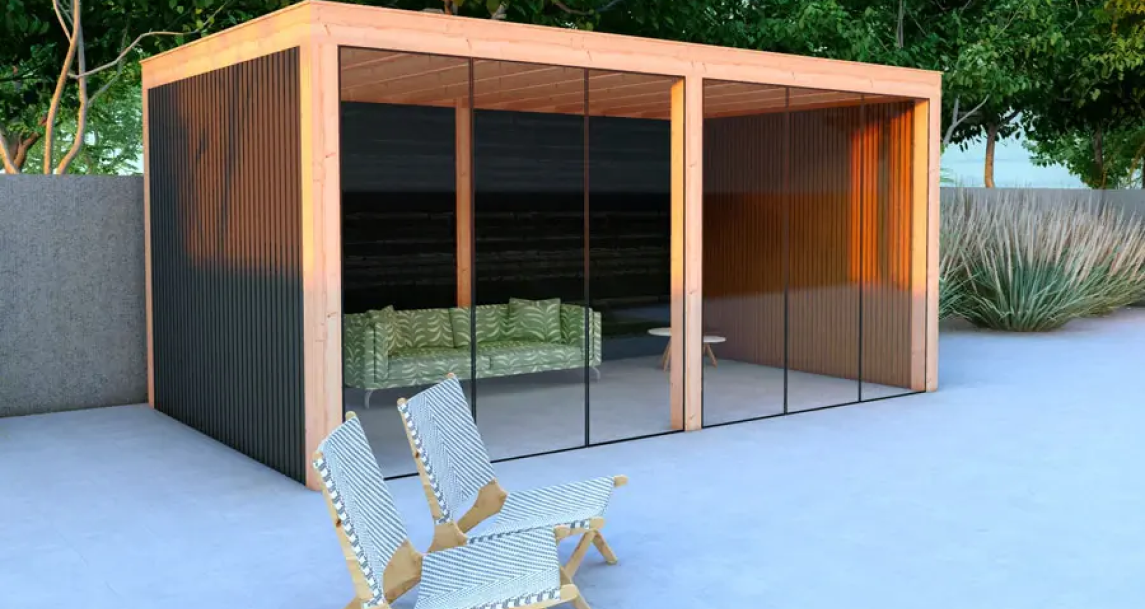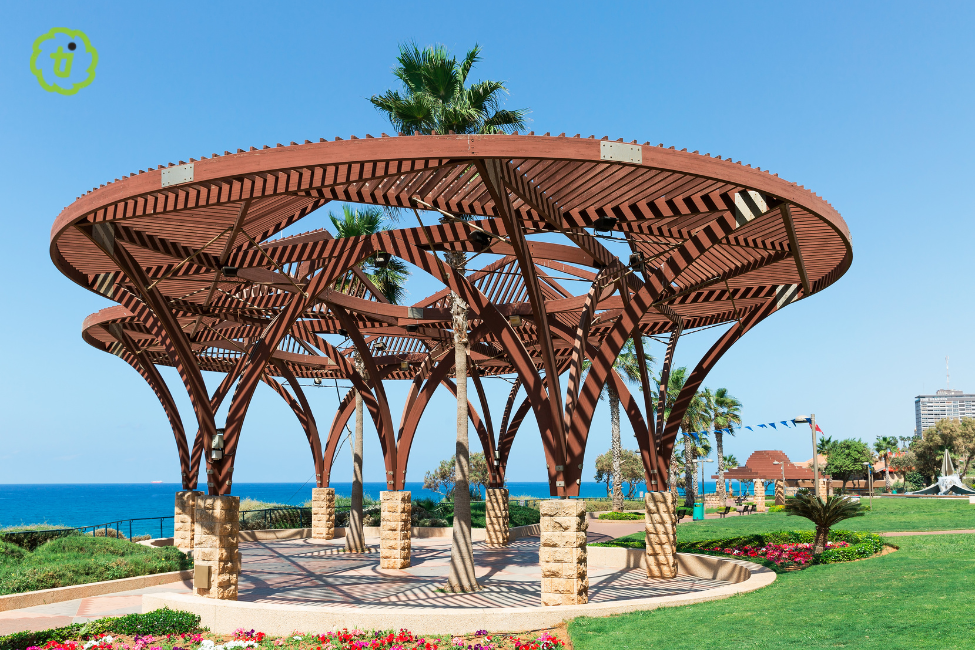
When it comes to adding sophistication and durability to your home, oak cladding is a great option. White oak wood is highly valued for its strength, beauty, and versatility, making it ideal for both indoor and outdoor use. This book examines the advantages and applications of oak cladding, as well as the distinct characteristics of white oak wood, to assist you in making an informed decision for your next project.
Oak Cladding: A Sturdy and Stylish Solution
1. What is Oak Cladding?
Oak cladding is the application of oak wood panels to the external or interior surfaces of a building. This approach not only improves the aesthetics of a structure, but it also adds insulation and protection from the weather.
2. Advantages of Oak Cladding:
Aesthetic Appeal: Oak cladding has a timeless and natural appearance that compliments a variety of architectural styles, including rustic cottages and modern homes. Its beautiful grain patterns and warm tones lend character and beauty to any structure.
Duration: Oak is well-known for its high strength and resistance to wear and strain. It can survive adverse weather conditions, making it an excellent option for exterior cladding. Properly treated wood cladding can survive for decades with little damage.
Insulation: Oak cladding adds an extra layer of insulation, which helps to manage the temperature within your home. This can result in lower energy bills and more comfortable living conditions all year.
Low Maintainance: While oak cladding requires some upkeep to maintain its beauty, it is relatively low-maintenance when compared to other materials. Regular cleaning and treatments can maintain it in excellent condition for years.
White Oak Wood: The pinnacle of quality
White oak wood is a popular choice among builders and designers due to its exceptional features and versatility. Here’s what makes white oak stand out:
1. Characteristics of White Oak:
Appearance: White oak wood is light to medium brown in colour with an olive tinge, and it frequently has unusual grain patterns. Its homogeneous texture and straight grain make it a good choice for a variety of applications.
Strength and durability: White oak is extremely durable and resistant to wear, deterioration, and insect infestation. It contains a high tannin content, which naturally protects it from decay and pests.
Workability: Despite its hardness, white oak is reasonably easy to work with, making it appropriate for a wide range of woodworking applications. It accepts stains and finishes well, allowing for customization to suit your design choices.
2. Applications for White Oak Wood:
Interior Cladding: White oak wood is commonly used for interior wall cladding, which adds warmth and character to living areas. It can be used in a variety of styles, including sleek and modern, rustic, and classic.
Exterior Cladding: White oak is a fantastic choice for external cladding since it is durable and weather resistant. It can survive exposure to the outdoors while maintaining structural integrity and aesthetics.
Furniture and Floor: Beyond cladding, white wood is popular for furniture and flooring. Its strength and beauty make it excellent for making long-lasting and fashionable pieces that will brighten any room.
Choosing the Right Oak Cladding for Your Project.
When choosing oak cladding, consider the following aspects to guarantee you get the finest option for your needs:
1. Grading and Quality:
Select a Grade: This grade provides the best quality with minimal knots and defects, resulting in a clean and consistent appearance.
Character Grade: Character grade oak has more knots and natural patterns, which adds rustic appeal and character to the wood.
2. Finishing Option:
Natural finish: A clear finish enhances the inherent beauty of white wood by highlighting its grain patterns and colour differences.
Stained finish: Staining can change the colour of white oak to complement your design aesthetic, ranging from light and subtle tones to rich and dark hues.
3. Installation techniques:
Vertical Cladding Vertical installation can generate the illusion of height and is commonly employed to achieve a contemporary style.
Horizonal Cladding: Horizontal installation emphasizes a building’s length and can have a conventional or modern appearance, depending on the finish and profile.
Maintenance Tips for Oak Cladding
Follow these basic maintenance measures to keep your oak cladding looking beautiful and lasting longer:
1. Scheduled Cleaning:
Periodically clean the cladding to remove dirt, dust, and debris. To prevent damage to the wood, use a soft brush or cloth and a light detergent.
2. Protective Treatments:
Apply a protective finish or sealer to help the wood resist moisture and UV radiation. Reapply as needed, according on exposure and weather conditions.
3. Inspect and Repair:
Regularly inspect the cladding for signs of damage, such as cracks or splits. Address any problems as soon as possible to avoid worsening in the future.
Conclusion:
Oak cladding, particularly white oak wood, provides a combination of timeless beauty, durability, and versatility. Whether used inside or outside, it improves the aesthetics and value of your home. Understanding the properties and benefits of oak cladding and white oak wood allows you to make an informed decision and add a magnificent, long-lasting feature to your living space.